How does Auditoria's AP helpdesk respond to vendor emails?
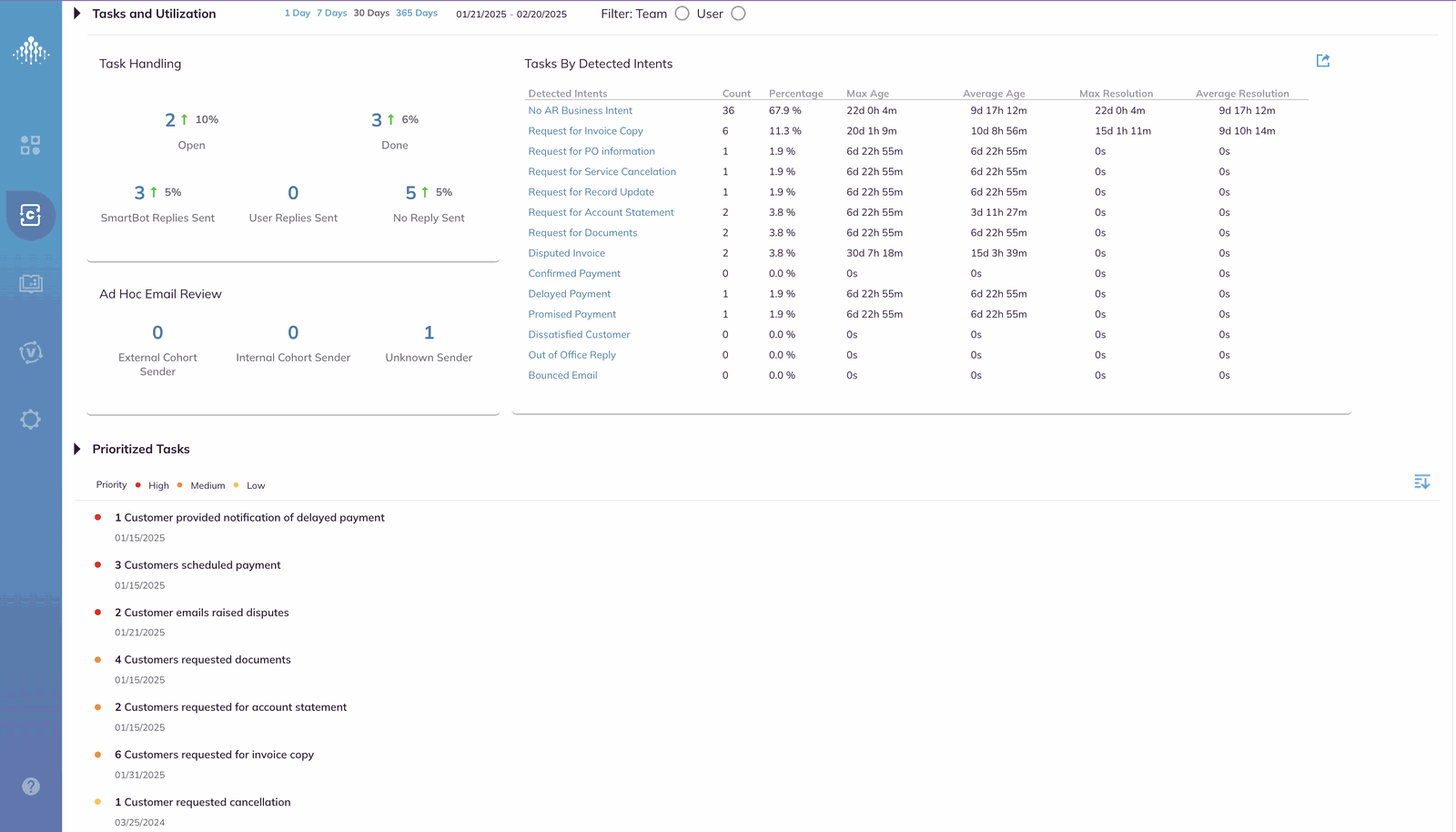
Auditoria's AP Helpdesk reads the inbound vendor email, identifies the inquiry type, queries the relevant ERP record — invoice status, payment date, remittance detail, or vendor master data — and drafts and sends a grounded reply in seconds. The agent resolves the inquiry end to end. A human is only pulled in for disputes and edge cases that require judgment, and when that happens, the analyst receives the full context already assembled.
Does this use ChatGPT?
No. Auditoria's agents are purpose-built for finance workflows and grounded in your ERP data — not a general-purpose language model operating on a knowledge base. Every reply is sourced from live ERP records. Auditoria uses large language model capabilities as part of its architecture, but the agents are trained on AP inquiry patterns and connected natively to your system of record, not the open web.
What inquiry types does the AP helpdesk handle?
The agents handle the canonical AP inquiry patterns: invoice status checks, payment date confirmations, remittance detail requests, statement reconciliations, W-9 and banking change requests, and dispute initiations. Each inquiry type has a defined resolution path grounded in ERP data, so the agent knows what to look up and how to respond.
How does it integrate with our ERP?
Auditoria connects natively to Workday, Oracle Cloud ERP, SAP, NetSuite, Sage Intacct, Coupa, and ServiceNow through cloud-native APIs — no iPaaS middleware, no custom integration layer. Role-based access control and audit-ready logging are built in. Most customers go live in 6 to 12 weeks depending on ERP and workflow scope.
What about audit and governance?
Every agent reply is logged with source lineage — the ERP data it pulled, the reasoning path, and the final response. Auditoria is SOC 2 Type II compliant with multi-tenant data isolation and GDPR-ready architecture. AP controllers and auditors have a complete, traceable record of every vendor interaction handled by the agent.